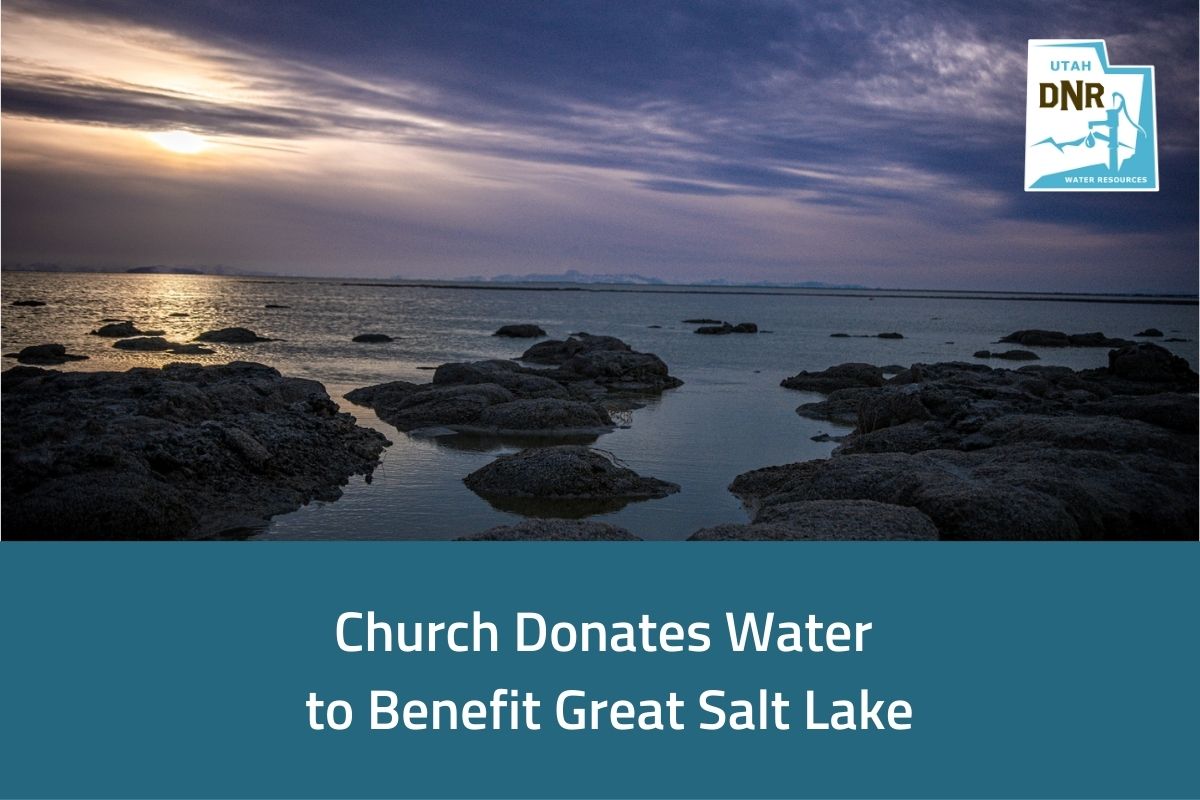
SALT LAKE CITY (March 15, 2023) — To benefit Great Salt Lake, The Church of Jesus Christ of Latter-day Saints has agreed to donate over 5,700 water shares in the North Point Consolidated Irrigation Company to the state of Utah. The donation, believed to be the largest ever permanent donation to benefit Great Salt Lake, ensures water will continue to flow to the lake and preserve critical shoreline and wetland habitat in Farmington Bay.
The donation is equivalent to over 20,000 acre-feet (about the size of Little Dell Reservoir) and up to 50 cubic feet per second of water. The water was historically used for agricultural purposes. The donation ensures water from these shares can continue to flow to the lake in perpetuity.
“We’re grateful to The Church of Jesus Christ of Latter-day Saints for this generous donation,” said Gov. Spencer Cox. “This water donation will make a real difference to the lake and the future of our state. The Great Salt Lake is a critical asset environmentally, ecologically and economically, and we all need to work together to protect and preserve it.”
The transaction also paves the way for future partnerships and will include new measurement infrastructure to better track water deliveries to the lake.
“The Great Salt Lake and the ecosystem that depends on it are so important. The Church wants to be part of the solution because we all have a responsibility to care for and be good stewards of the natural resources that God has given to us. We invite others to join with us to help,” said Bishop W. Christopher Waddell, First Counselor in the Presiding Bishopric of the Church.
The Utah Department of Natural Resources will manage the donation, working in collaboration with the Great Salt Lake Watershed Enhancement Trust.
“This donation is invaluable because it’s a permanent, dedicated source of water that will benefit the lake year after year. I appreciate the collaborative effort among the Church, DNR and conservation groups,” said Joel Ferry, Executive Director of the Utah Department of Natural Resources. “We look forward to continuing to work together to safeguard the lake.”
“This generous donation is an exceptional contribution to ensuring water flows to preserve the lake and its special habitats, while also benefiting Utah communities, said Marcelle Shoop, Executive Director of the Great Salt Lake Watershed Enhancement Trust. “We are extremely appreciative of this commitment being made by the Church, the efforts of DNR and the collaborative approach to addressing the water needs of the lake.”
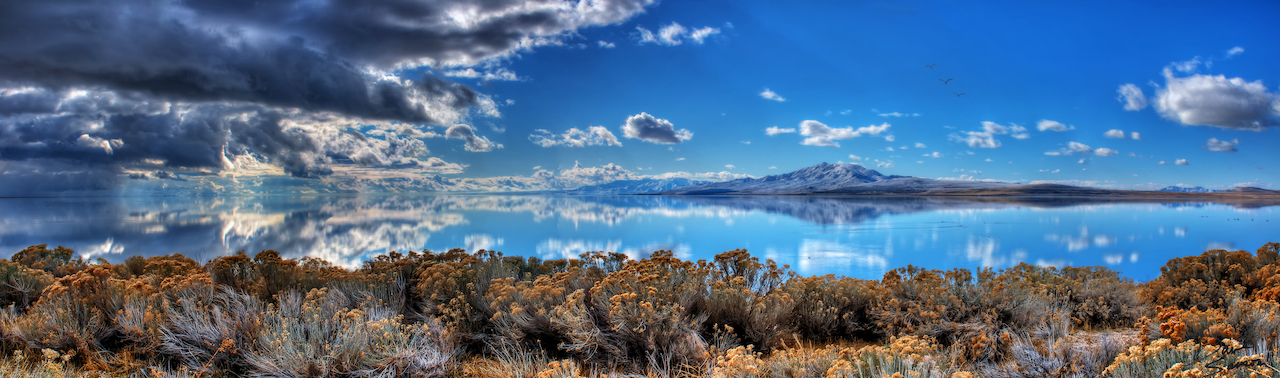
Great Salt Lake is the largest saline lake in the Western Hemisphere and the eighth largest in the world – boasting a rich web of relationships among people, land, water, food and survival. The lake contributes $1.9 billion to Utah’s economy (adjusted for inflation), provides over 7,700 jobs, supports 80% of Utah’s valuable wetlands, and provides irreplaceable breeding and stopover habitats for millions of birds to rest and refuel during migration each year. Lake effect snow also contributes 5-10% to Utah’s snowpack.
A drying Great Salt Lake has local and regional consequences and could result in increased dust, poor air quality, reduced snow, reduced lake access, habitat loss and negative economic consequences to the state. By protecting the lake, we help our environment, wildlife, economy and our future.