SALT LAKE CITY (July 13, 2023) – Utah’s water supply continues to benefit from a stellar winter as of the beginning of July. The state has experienced a gradual melt-off, which has helped replenish water reserves.
“Last year, we were facing unfavorable records. Now, we are achieving positive milestones,” Candice Hasenyager, the director of the Division of Water Resources, said, “This year’s exceptional snowpack offers us a unique opportunity to enhance our resilience to drought by continuing to conserve and preserve our water supply.”
According to the latest data from the Natural Resources Conservation Service, Utah has currently received 137% of normal precipitation. This is a significant improvement when compared to last year when precipitation was 7% below normal. Soil moisture has been a major driver for how efficient the state’s runoff has been. The record snowpack kept the soil moisture high. Very little runoff soaked into the soil and instead refilled streams, rivers, lakes and reservoirs.
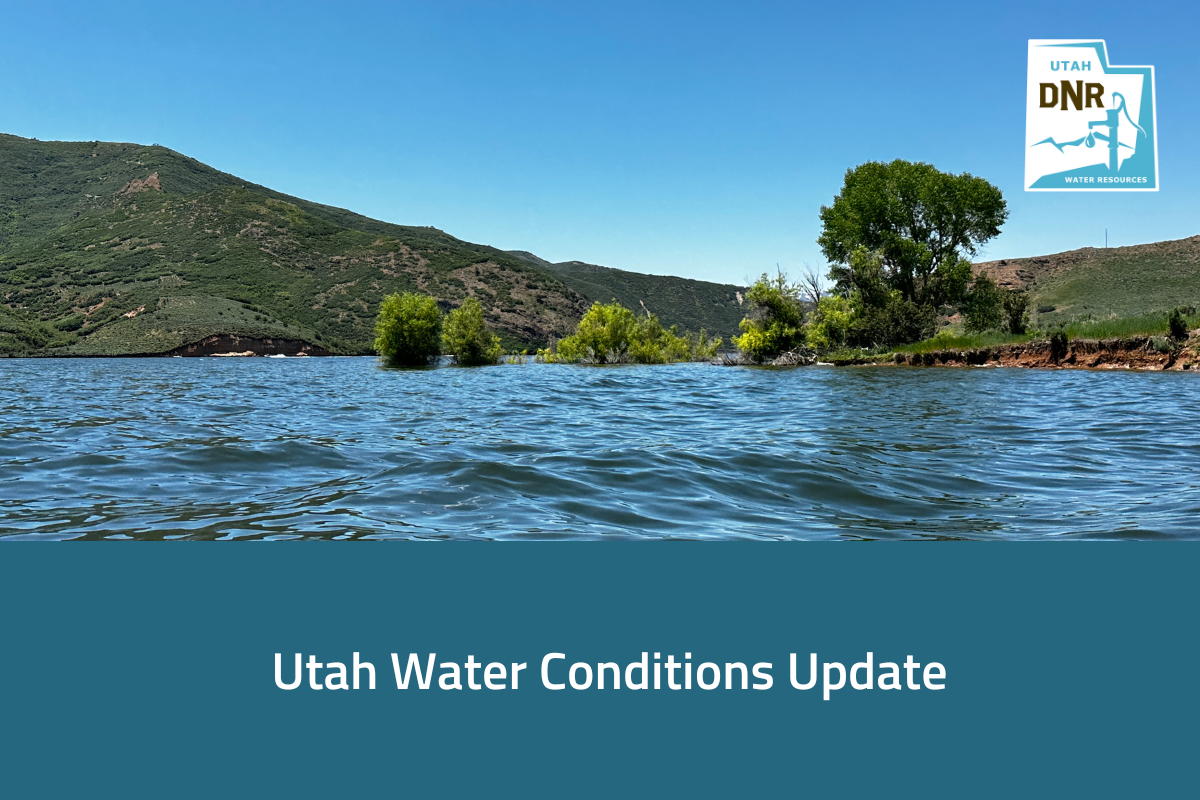
Statewide reservoir storage is at 86%. Last year at this time our reservoirs were 59% full. For context, 72% is normal for this time of the year. The diligent water management practices, coupled with a record-breaking snowpack, have contributed to the healthy storage levels in our reservoirs. This robust water supply ensures reliable water availability for various sectors, including agriculture, municipal needs and recreational activities. However, we need ongoing conservation efforts to sustain this positive trajectory and preserve our water resources for future generations. With the continued support and cooperation of community members, policy makers and legislators, we are confident in maintaining a resilient water supply in Utah.
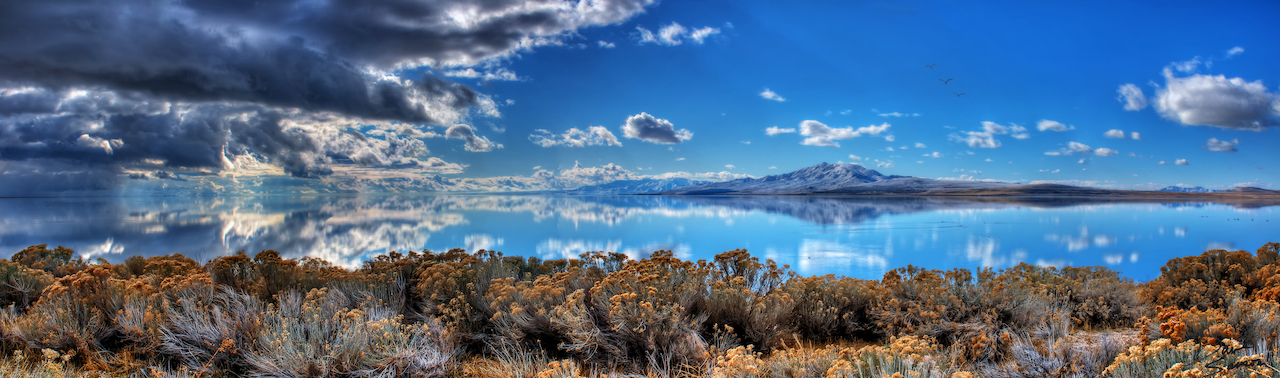
Great Salt Lake levels have peaked for the year at an elevation of 4194.0’(on June 19 and 20). Roughly 5.5 feet above the record low set last November. The lake’s salinity has returned to favorable levels. As inflows to the lake decrease and temperatures increase, the lake will experience a decline until around October, when cooler temperatures and precipitation increases.
Recently, Brian Steed was named as the Great Salt Lake Commissioner.
“We are excited to work with Brian in this new role,” Hasenyager said. “He brings a wealth of experience that benefited DNR during his time as executive director and more recently as the first executive director of Utah State University’s Land, Water and Air Institute.”
Why are some reservoirs recording over 100%?
Some Utah reservoirs are currently exceeding 100%, with water flowing down spillways as designed. This occurs when there is an unusually high inflow of water, caused by factors like above-average precipitation or intense rainfall. Reservoir operators carefully manage these situations, considering factors like downstream water demands, flood prevention and long-term storage needs. They may choose to maintain higher storage levels temporarily to mitigate flood risks and ensure water availability during dry periods.
However, once the high inflows subside, water releases are adjusted to restore the water levels to a more manageable range, closer to the normal capacity. These temporary increases in capacity do not imply a permanent expansion of reservoir storage and reservoir managers closely monitor the situation to ensure the safety of the reservoir infrastructure to optimize water availability.
“Continued conservation is essential to stretch the water supply,” Hasenyager said. “Precipitation isn’t promised, and we don’t know what next year will bring.”
To encourage water conservation among residents, the Department of Natural Resources continues to promote initiatives such as the Agricultural Optimization Program for farmers and SlowtheFlow.org for residents. These programs aim to educate and incentivize water-saving practices, ensuring Utahns become more drought resilient and prepare for future conditions.
For more information, contact Michael Sanchez, public information officer, at 385-226-8967 or email msanchez@utah.gov.
# # #