SALT LAKE CITY (Sept. 17, 2026) – As autumn approaches and nighttime temperatures cool down, the Utah Division of Water Resources reminds Utahns to adjust their irrigation habits and prepare for the upcoming water year.
“With shorter days and cooler evening temperatures, landscape water requirements decrease significantly,” Joel Williams, director at the Division of Water Resources, said. “Irrigation timers should be adjusted down or turned off. Leaving automatic sprinklers on summer schedules leads to wasteful overwatering. Follow our Weekly Lawn Watering Guide for general recommendations”
Conditions at a Glance
- Statewide reservoir storage is at 50%
- 1,190 wildfires have been reported this year
- 100% of the state is in some form of drought
The New Water Year Begins October 1
Utah’s hydrologic “water year” runs from Oct.1 through Sept. 30. A water year is a term used to describe a time period of 12 months where precipitation totals are measured. It coincides with the growing season, when the water collected is used up and then the water year starts over. As we close out the current water year, water managers assess cumulative precipitation, streamflows and reservoir storage to establish a baseline for the upcoming winter snowpack season.
Soil Moisture: The Foundation for Next Spring’s Runoff
Soil moisture levels in late fall play a critical role in determining how much water reaches our reservoirs during next spring’s snowmelt. When mountain soils are moist before the ground freezes, melting snowpack in the spring flows directly into streams and reservoirs rather than soaking into dry dirt like a sponge. August monsoonal storms improved mountain soil moisture levels for most of the state, providing a solid foundation ahead of winter.
Reservoir Storage & Reservoir Dynamics Across Utah
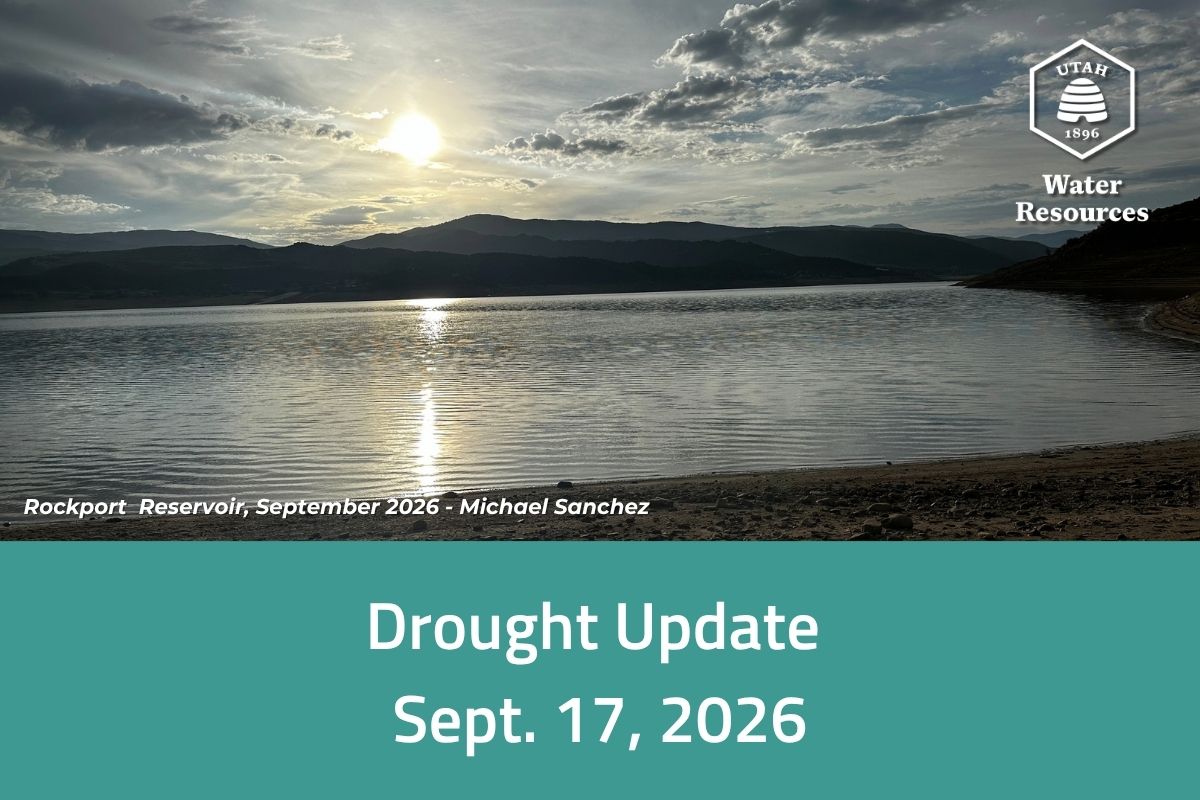
Reservoir dynamics vary across the state based on size. Large, multi-year reservoirs (such as Strawberry, Flaming Gorge, and Jordanelle) provide carryover storage across multiple dry years and buffer against single-season deficits. Smaller 1- to 2-year storage reservoirs drain rapidly during dry periods and rely heavily on annual snowpack to refill.
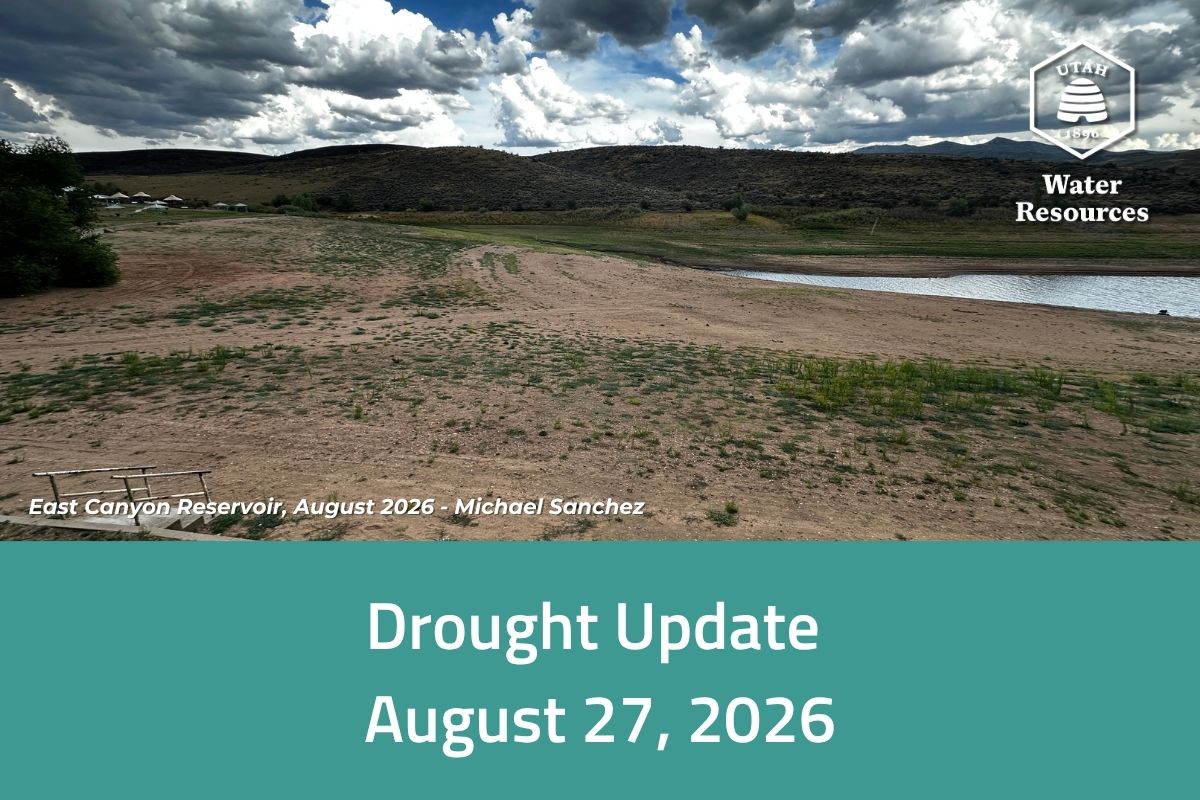
- Reservoir storage averages 50% full (excluding Lake Powell and Flaming Gorge), which is 9% lower than normal for this time of year, and 13% lower than the same time last year.
- The boat ramp at Palisade State Park is closed, and water level is at 4%. When reservoirs reach low levels, some parks are forced to close their boat launch ramps in order to help better protect visitors and their property. Visit the Division of State Parks boat ramp conditions webpage for more information.
- Because Harmful Algal Blooms (HABs) are happening across the state, residents are urged to learn how to identify them and find current water advisories at HABs.utah.gov.
Pineview Reservoir Drawdown
In addition to seasonal irrigation demands, Pineview is being drawn down to allow Ogden City to perform essential construction and maintenance on a municipal drinking water pipeline that runs beneath the reservoir. Residents can learn more about the project, view projected reservoir levels and follow construction updates at OgdenCityPipeline.com.
Fall is Prime Time for Waterwise Planting
Fall is the best season in Utah to plant waterwise perennials, shrubs and trees. Cooler air and soil temperatures allow roots to establish safely without the heat stress of midsummer, ensuring plants thrive with less water by next spring.
Secondary Water
Davis and Weber Counties Canal Company shut down its secondary water systems on Sept. 15 due to the smaller than normal snowpack/runoff, plus a hot, dry summer. Other agencies may have similar shut off dates for secondary water. The state recommends staying in close contact with your water provider to be aware of any guidance for secondary water.
River Conditions Reflect Continued Drought Across Utah
As Utah moves through September, drought conditions continue to affect streamflows and water distribution across several major river systems. Conditions vary by basin, with snowpack, late-summer precipitation and storage releases influencing water availability.
Key Observations from Around the State
- Bear River – Natural flow is 400 cfs, providing about 29% of direct flow rights. Conditions are similar to the average 2020 water year, with better snowpack, summer rainstorms and storage releases helping support flows.
- Upper Provo River – Natural flow is 7.4 cfs, providing about 2.4% of direct flow rights. Summer monsoons have temporarily increased flows, but drought conditions continue without additional moisture.
- Upper Duchesne River – Natural flow is 319 cfs, providing about 27.1% of direct flow rights. Flows remain below those seen during average and wet years and have steadily declined through the summer.
- Upper Sevier River – Natural flow is 62 cfs, providing about 10% of first-class direct flow rights. Flows are less than half those recorded during the 2021 drought year as drought conditions persist.
For detailed river system statistics and conditions, see the full report here.
Conservation Efforts
The state continues to promote initiatives such as the Agricultural Water Optimization Program for farmers and SlowtheFlow.org for residents. These programs aim to educate and incentivize water-saving practices, helping Utahns become more drought-resilient and better prepared for future conditions. Many indoor water-saving tips are available on the Slow the Flow website.
# # #
For more information, contact Michael Sanchez, public information officer, at 385-226-8967 or email MASanchez@utah.gov.