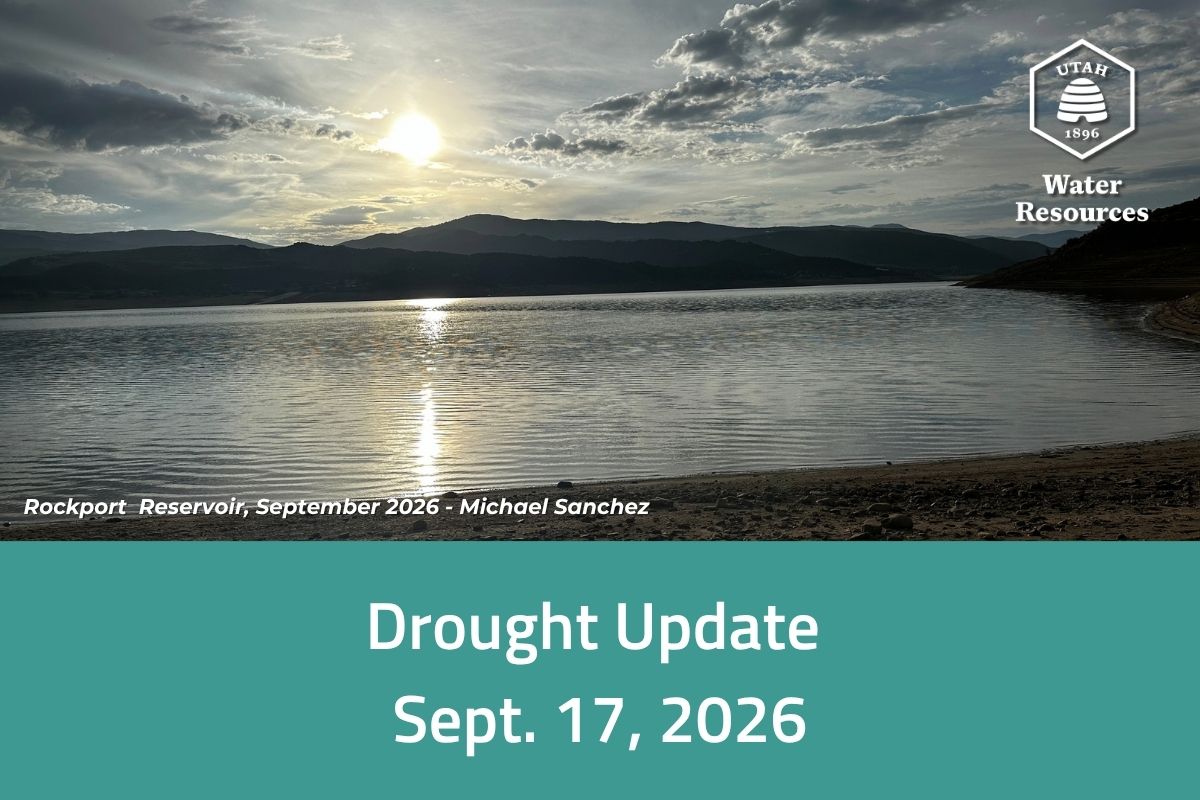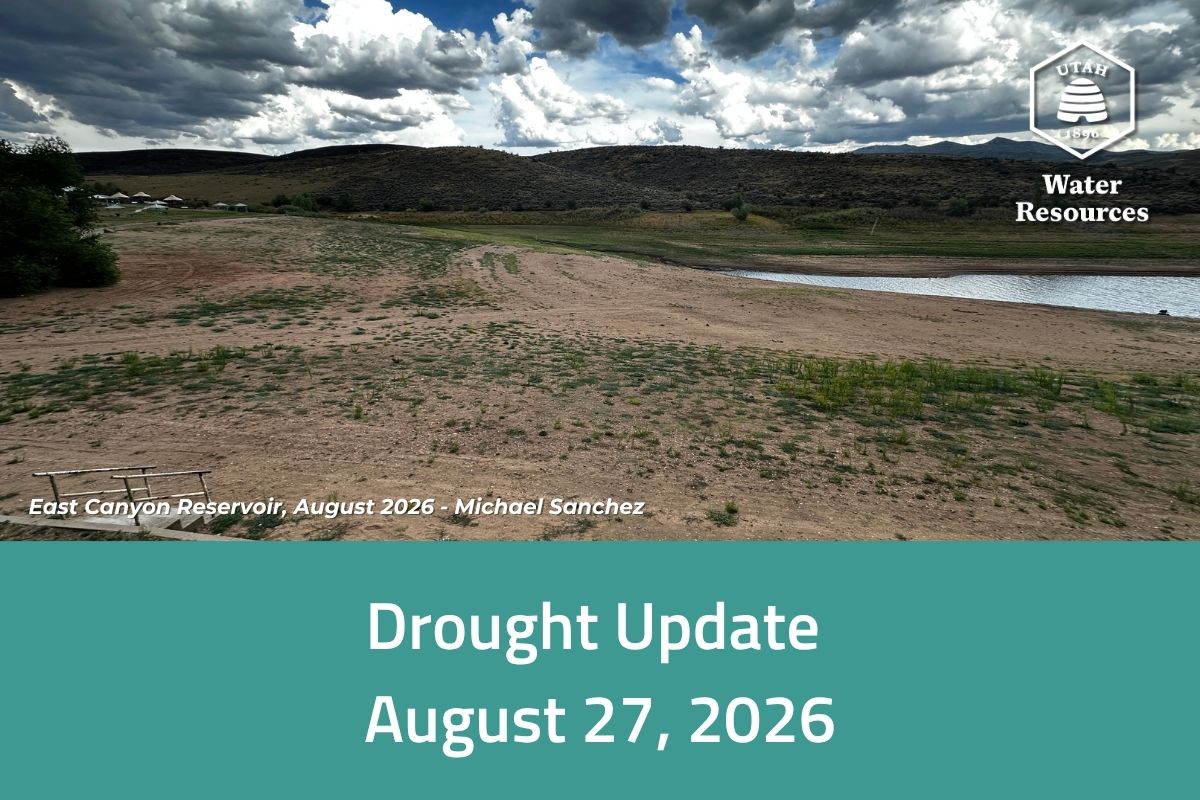
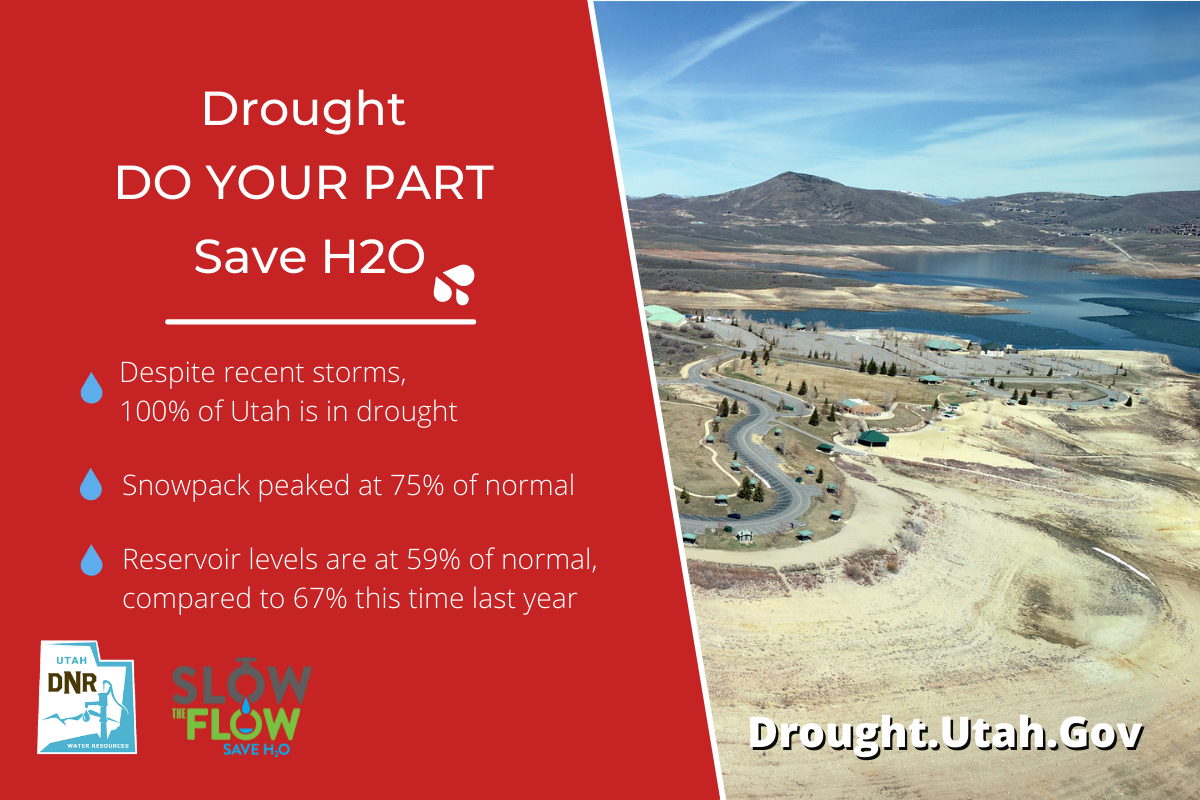
Gov. Spencer J. Cox declared a state of emergency due to the dire drought conditions affecting the entire state. This declaration activates the Drought Response Committee and triggers increased monitoring and reporting. It also allows drought-affected communities, agricultural producers and others to report unmet needs and work toward solutions.
“We’ve had a very volatile water year, and unfortunately, recent spring storms are not enough to make up the shortage in our snowpack,” Gov. Cox said. “Once again, I call on all Utahns – households, farmers, businesses, governments and other groups – to carefully consider their needs and reduce their water use. We saved billions of gallons last year and we can do it again.”
Utah has been in drought eight of the last 10 years, and this year’s snowpack is 25% below normal. Conditions are changing rapidly as the snow continues to melt. According to the Utah Department of Natural Resources:
- 99.39% of the state is in severe drought or worse, with 43.46% of Utah in extreme drought.
- Statewide snow water equivalent (SWE), or how much water would be in the snowpack if it melted, peaked at 12 inches. This is 75% of the typical median peak of 16 inches for our water year.
- Nineteen of Utah’s largest 45 reservoirs are below 55% of available capacity. Overall statewide storage is 59% of capacity. This time last year, reservoirs were about 67% of capacity.
- Soil moisture is 4% higher compared to normal for this time of year. Wet soils are critical for effective spring runoff.
- Of the 94 measured streams, 59 are flowing below normal despite spring runoff. Two streams are flowing at record low conditions.
Water-saving Recommendations
Gov. Cox asks Utahns to use water wisely year-round. Find water-saving tips at SlowTheFlow.org.
- Fix leaks
- Run full loads (dishwashers and washing machines)
- Turn off the water while brushing teeth, shaving, soaping up, doing dishes or rinsing vegetables
- Reduce showers by at least one minute
- Wait to water lawn
- Plan now for the irrigation season and consider implementing water-wise landscaping or purchasing a smart irrigation controller
Committees recommend drought action
The Division of Water Resources is tasked with monitoring the state’s water supply availability. This is done through regular drought webinars and monitoring conditions throughout the state. As conditions failed to improve, the division recommended the Drought Review and Reporting Committee consider additional actions, including recommending an official drought declaration, which activates the Drought Response Committee. The Utah Drought Response Plan outlines the process.
Read Executive Order 2022-04 here.
###