Utah Colorado River Commissioner statement on Lake Powell elevation forecast

Utah Colorado River Commissioner statement on Lake Powell elevation forecast

Published 05-20-21

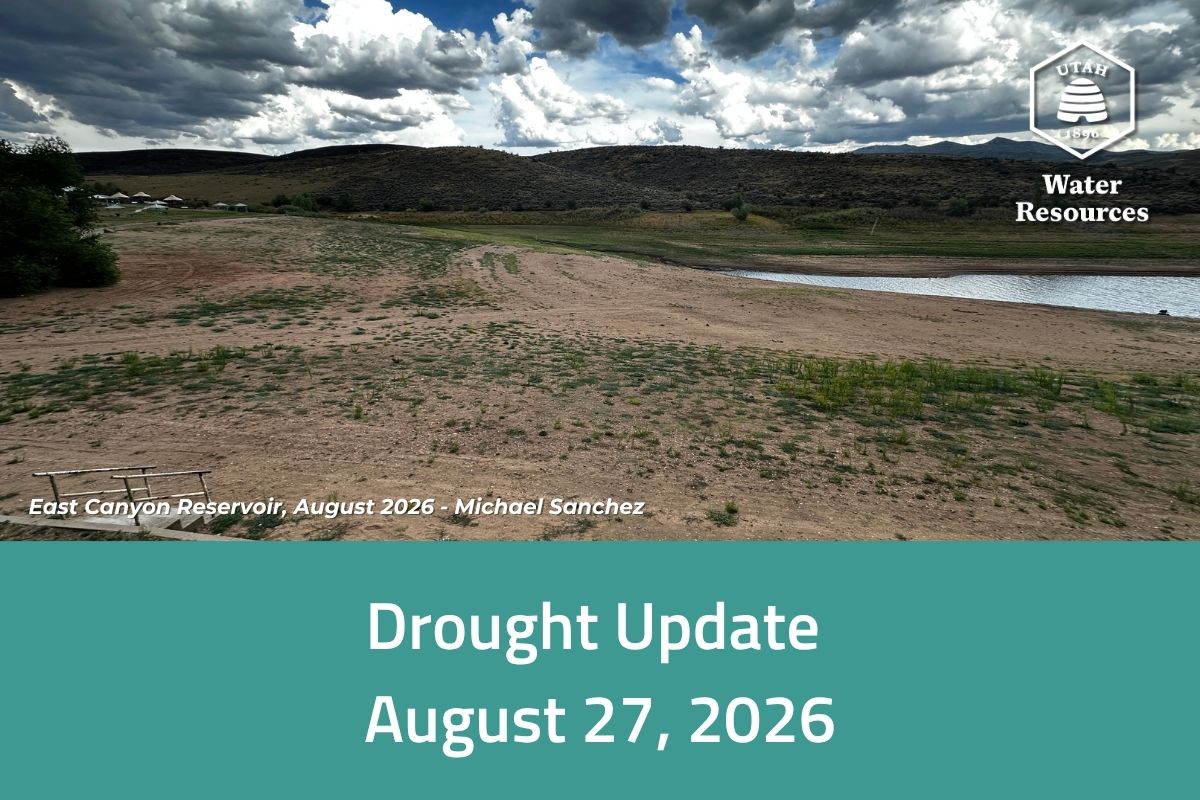
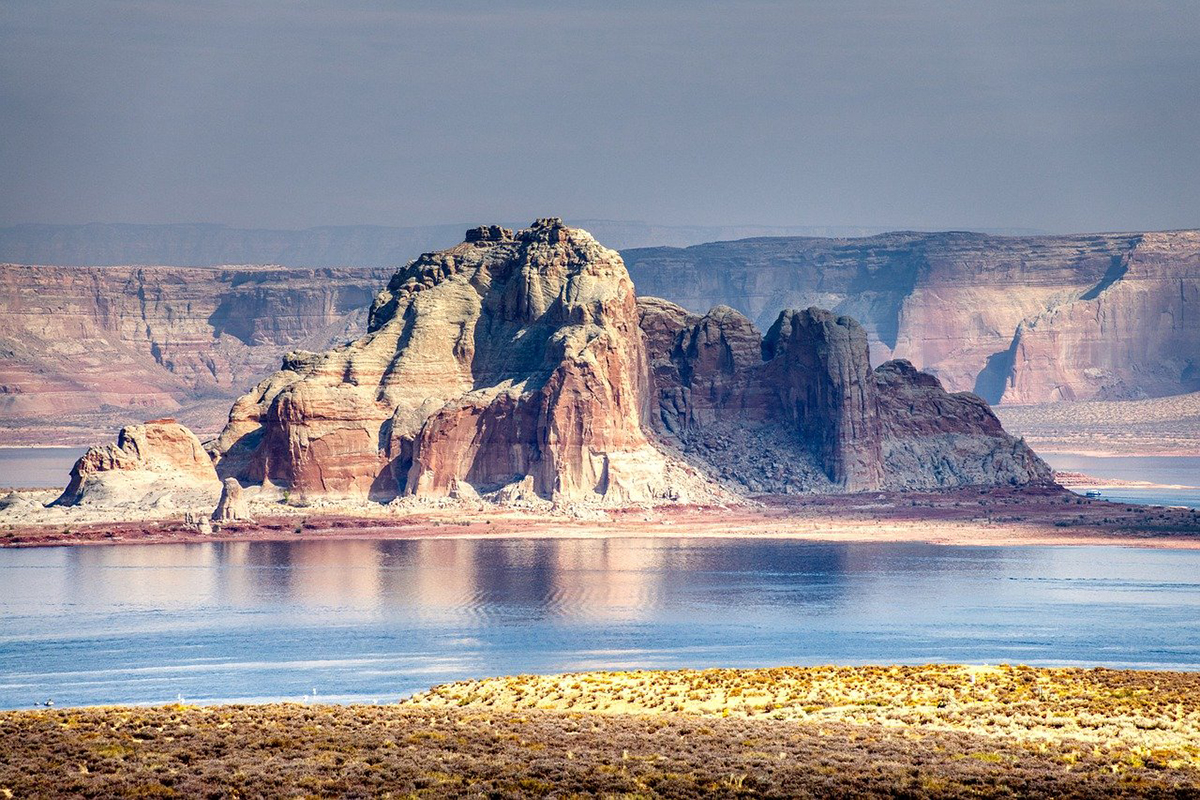
The Bureau of Reclamation’s May 24-Month Study forecast of Lake Powell elevations, while not surprising, is certainly concerning for all water users in the Colorado River Basin. The Upper Colorado River Commission, which includes Utah along with Wyoming, Colorado, and New Mexico is working closely with the Bureau of Reclamation on a drought response plan that could adjust operations at Lake Powell and upstream reservoirs to keep Lake Powell from dropping below critical levels.  

Maintaining Lake Powell elevations at or above 3,525 feet helps to preserve hydropower production at Glen Canyon Dam. Drought response planning is a critical component of Colorado River management, including the operations at Lake Powell and Lake Mead. – Gene Shawcroft, Utah Colorado River Commissioner

For more information, read the Upper Colorado River Commission press release.

image shows the Wasatch Mountains with minimal snow, mostly in higher elevations
Published March 19, 2026

SALT LAKE CITY (March 19, 2026) – Utah’s snowpack is the lowest on record and peaked three weeks early. The state’s peak was on March 9 at 8.4 inches, which is about half of what the state typically receives by the beginning of April. Weather forecasts suggest that snowmelt will outpace any new snow the …

Read Full Article
Image shows Echo Reservoir from a plan with snow on the mountains
Published March 10, 2026

The Utah Division of Water Resources has partnered with Weber Basin Water Conservancy District and the Great Salt Lake Commissioner’s Office to expand and explore the use of Airborne Snow Observatories (ASO) technology in the Great Salt Lake Basin. This ASO project,  known as “Wings over Weber”, is the second of its kind in Utah …

Read Full Article
Image shows City Creek with snow on the sides of the creek.
Published February 19, 2026

SALT LAKE CITY (Feb. 19, 2026) – Utah experienced a more active storm cycle near the end of February. While this is a welcome respite from the dry winter so far, the state would need the active pattern to persist through the beginning of April, when the state typically experiences peak snowpack, to achieve near-normal …

Read Full Article