
SALT LAKE CITY (July 22, 2025) – 100% of the state is in moderate to severe drought. On average, our reservoirs have dropped around 10% between June 1 and July 1. Typically, reservoirs drop around 2% during the same period. This is due to increased demand and an inefficient spring runoff earlier this year.
“We have seen some water restrictions go in place around the state,” Candice Hasenyager, director at the Utah Division of Water Resources, said. “Restrictions are very localized and we rely on Utahns to be in touch with their water provider for any restrictions that may be in place.”
Water restrictions are determined and enforced at the local level, which allows for customization according to the area’s water supply conditions. During drought, some areas implement restrictions.
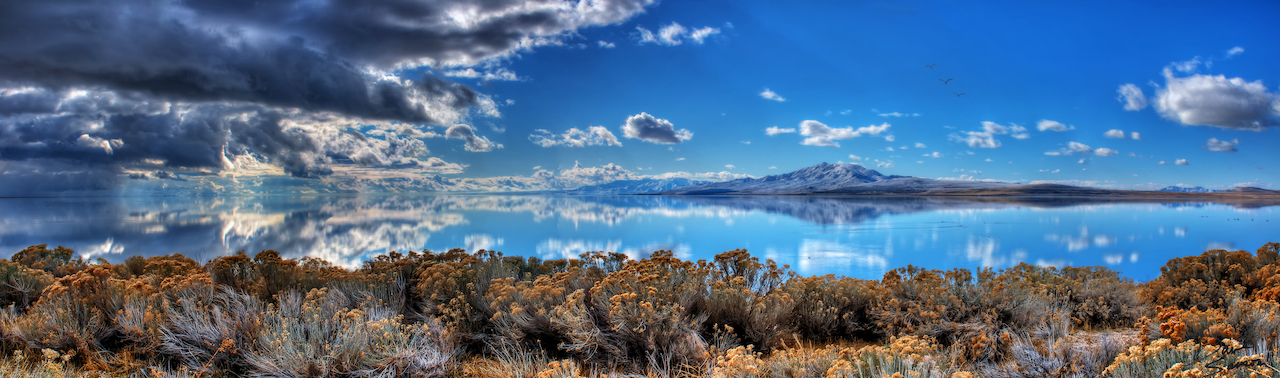
Great Salt Lake has seen a modest increase of about 1.5 feet since its seasonal low in November. According to USGS, Great Salt Lake peaked in mid-April at an elevation of 4193.6. We anticipate the lake to continue to decline until fall, when temperatures cool down and the irrigation season ends.
Reservoir levels are currently at 75%, which is 14% lower than last year, but still 3% higher than normal for this time of year.
“Our reservoirs aren’t just for recreation,” Hasenyager said. “They get us through droughts, provide flood protection and create a habitat for wildlife.”
Staying safe on and around water is crucial. For information on life jackets, consult the Division of Outdoor Recreation’s life jacket safety webpage, and for Harmful Algal Blooms, visit the Department of Environmental Quality’s website. Both are valuable resources.
In Utah, about 95% of our water supply comes from snowpack. Reservoir storage helps us preserve that water for use in dry summer months and drought years. To encourage water conservation among Utahns, the Department of Natural Resources continues to promote initiatives such as the Agricultural Water Optimization Program for farmers and SlowtheFlow.org for residents. These programs aim to educate and incentivize water-saving practices, ensuring Utahns become more drought-resilient and prepare for future conditions. Many indoor water-saving tips are available on the Slow the Flow website.
# # #
For more information, contact Michael Sanchez, public information officer, at 385-226-8967 or email msanchez@utah.gov.