
SALT LAKE CITY (Nov. 21, 2024) – As of late November, Utah’s water conditions represent a mixed outlook. Current soil moisture levels are around 9% below normal, raising early concerns about potential impacts on next year’s spring runoff. Low soil moisture means that, without improvement, more of the snowmelt may be absorbed by dry ground before it reaches streams and reservoirs.
“Winter weather is just starting, so there’s still time for things to turn around,” Candice Hasenyager, director of the Division of Water Resources, said. “Our snowpack is critical for our water supply. With this uncertainty, we must be mindful of how much water we use.”
While below-normal soil moisture is not ideal, it’s too early to draw conclusions about next year’s water availability. Conditions can change significantly with winter storms, which may help improve soil moisture and set up a better spring runoff. Recent precipitation has helped replenish soil moisture levels at shallow depths but has not seen a major rebound at deeper levels.
Reservoir levels have been steadily declining since July, which is typical for this time of year. However, statewide, reservoirs are currently 74% full, significantly higher than the average of 54%. This healthy storage helps create a solid foundation for next year’s water supply.
“Reservoir storage is above normal, which bodes well for next spring’s water supply,” Hasenyager said. “These conditions are encouraging as we look toward the months ahead. Let’s keep water in our reservoirs and remember to dial back our water use whenever possible..”
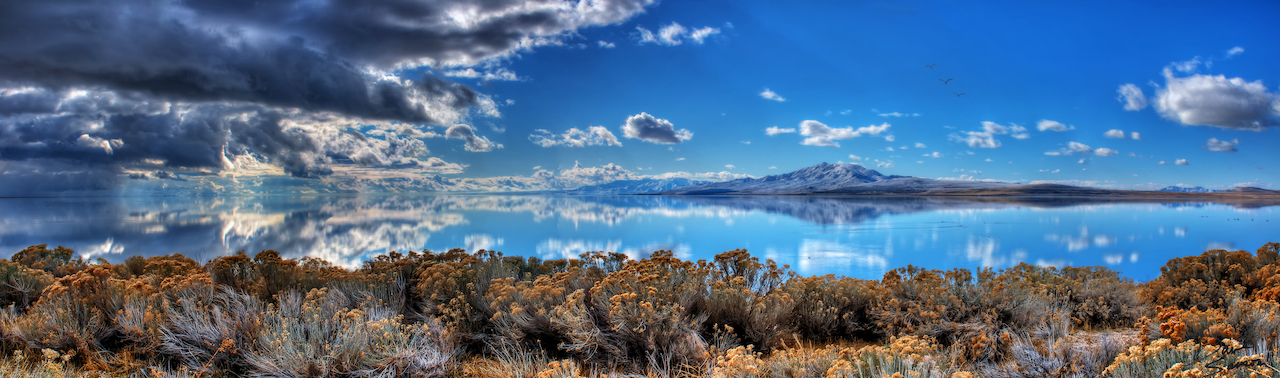
The south arm of Great Salt Lake has dropped nearly 3 feet since its peak in May. Typically, the lake level fluctuates 2.5 feet annually, peaking during spring runoff and dropping to a seasonal low in October or November. This drop is mostly due to evaporation and water flowing to the lake’s north arm.
In Utah, about 95% of our water supply comes from snowpack. Reservoir storage helps us preserve that water for use in dry summer months and drought years. To encourage water conservation among Utahns, the Department of Natural Resources continues to promote initiatives such as the Agricultural Water Optimization Program for farmers and SlowtheFlow.org for residents. These programs aim to educate and incentivize water-saving practices, ensuring Utahns become more drought-resilient and prepare for future conditions.
# # #
For more information, contact Michael Sanchez, public information officer, at 385-226-8967 or email msanchez@utah.gov.