
SALT LAKE CITY (July 1, 2025) – With the peak of summer ahead, state water officials are planning for hot, dry weather driving up demand. With drought conditions persisting across the state, using water wisely is more important than ever. Storms in the southern part of the state have improved the situation, while drought conditions have worsened in the northern part of the state. Overall, 91% of the state remains in moderate to severe drought.
“Temperatures have soared, and with that comes a natural increase in outdoor watering,” Candice Hasenyager, director at the Utah Division of Water Resources, said. “We want our lawns and gardens to look nice and there are ways to do this through smart planning and new technologies.”
High spring temperatures and a normal to below-normal snowpack in many areas this past winter resulted in a quick runoff season. Meteorological spring is defined as March, April and May. During that period, temperatures were 2.36°F above normal (normal is the average of the 1991-2020 time period).
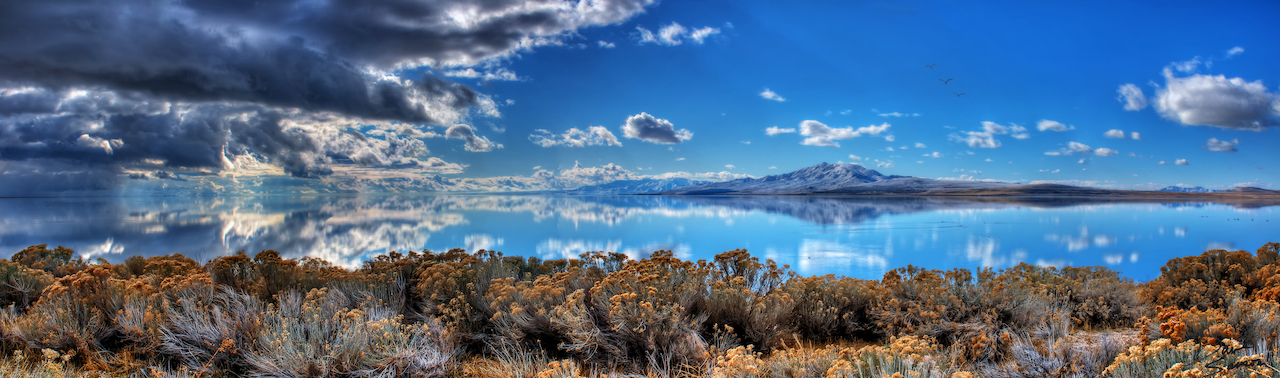
Great Salt Lake has seen a modest increase of about 1.5 feet since its seasonal low in November. According to USGS, Great Salt Lake peaked in mid-April at an elevation of 4193.6.
Reservoir levels are starting to decline, but remain 8% higher than normal thanks to strong water supply from previous years.
“Right now, we’re generally seeing outflows from reservoirs begin to exceed inflows,” Hasenyager said. “That pattern typically sets in later in the summer, but this year’s heat is accelerating things. Across all sectors, we need to look for ways to be efficient with our finite water supply.”
The Utah Department of Agriculture and Food (UDAF) is offering low-interest Emergency Disaster Relief Loans (EDRL) to agricultural producers in 17 counties affected by the ongoing drought. Governor Spencer J. Cox declared a state of emergency on April 24, 2025, highlighting the drought’s impact on the state’s agricultural economy.
Farmers in the designated counties–Beaver, Carbon, Emery, Garfield, Grand, Iron, Juab, Kane, Millard, Piute, San Juan, Sanpete, Sevier, Tooele, Uintah, Washington and Wayne–can apply for loans of up to $100,000 per entity. A total of $2 million is available through the EDRL program. These seven-year loans offer a significant benefit: no interest for the first two years, followed by a 2.75% interest rate for the remaining five years. Applications for these relief loans will be accepted until October 23, 2025.
In Utah, about 95% of our water supply comes from snowpack. Reservoir storage helps us preserve that water for use in dry summer months and drought years. To encourage water conservation among Utahns, the Department of Natural Resources continues to promote initiatives such as the Agricultural Water Optimization Program for farmers and SlowtheFlow.org for residents. These programs aim to educate and incentivize water-saving practices, ensuring Utahns become more drought-resilient and prepare for future conditions. Many indoor water-saving tips are available on the Slow the Flow website.
# # #
For more information, contact Michael Sanchez, public information officer, at 385-226-8967 or email msanchez@utah.gov.