
SALT LAKE CITY (June 11, 2026) – With June temperatures rising, Utah is facing a deepening drought that has accelerated the drying of soils and vegetation across the state. Wildfire season has already been active with over 230 fires so far this year, a majority of which were human-caused.
Increased wildfire activity
Over the past week, there has been increased fire activity throughout the state with two fires exceeding 1,000 acres. Statewide drought conditions are increasing fire potential with lower fuel moisture levels in the lighter grasses and sagebrush. Lower fuel moisture, coupled with red-flag winds, was the driving factor behind the wildfire activity we saw over the last week. As vegetation continues to dry to critical levels in the summer heat, fire officials are seeing an increase in fire behavior a couple of weeks earlier than usual.
Areas of the state are beginning to implement Stage 1 fire restrictions. In Beaver, Garfield, Iron, Kane and Washington counties, fire restrictions took effect June 5.
Residents are urged to exercise extreme caution with ignition sources and stay informed on local fire safety restrictions as we navigate these heightened conditions.
Reservoirs, lakes and streams are impacted by rising temperatures
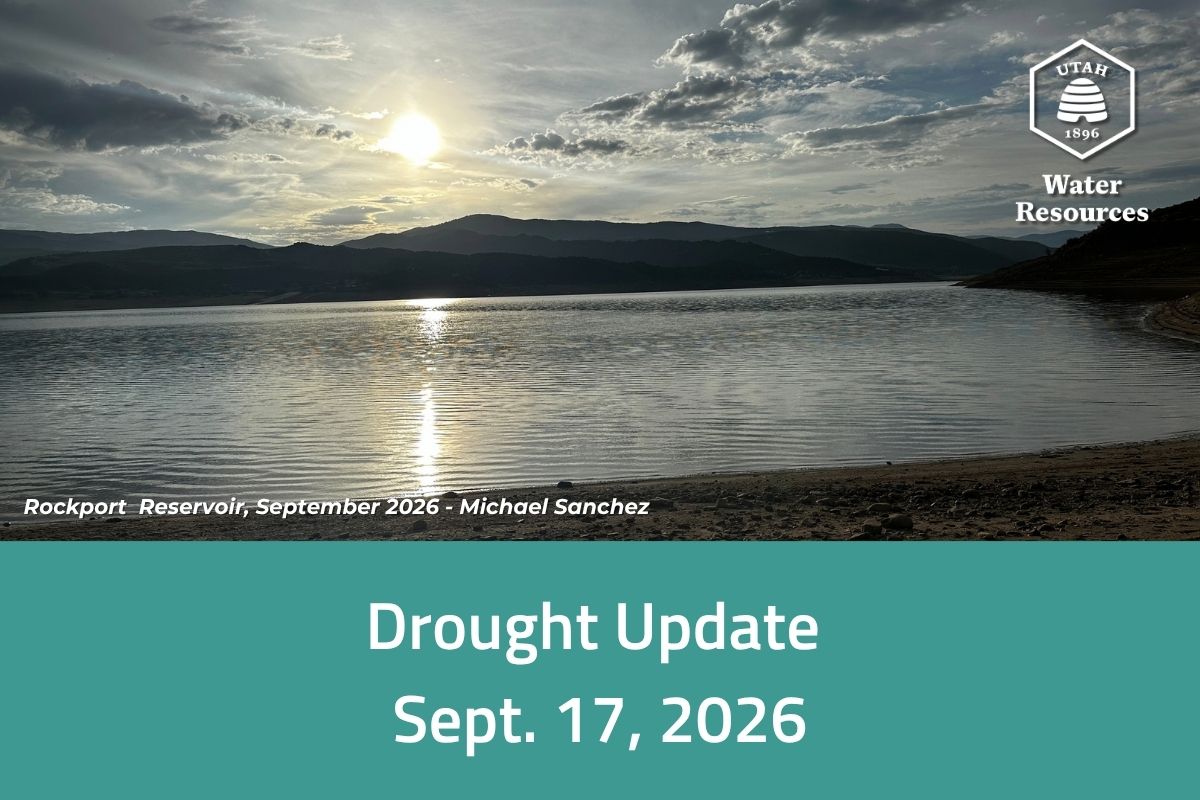
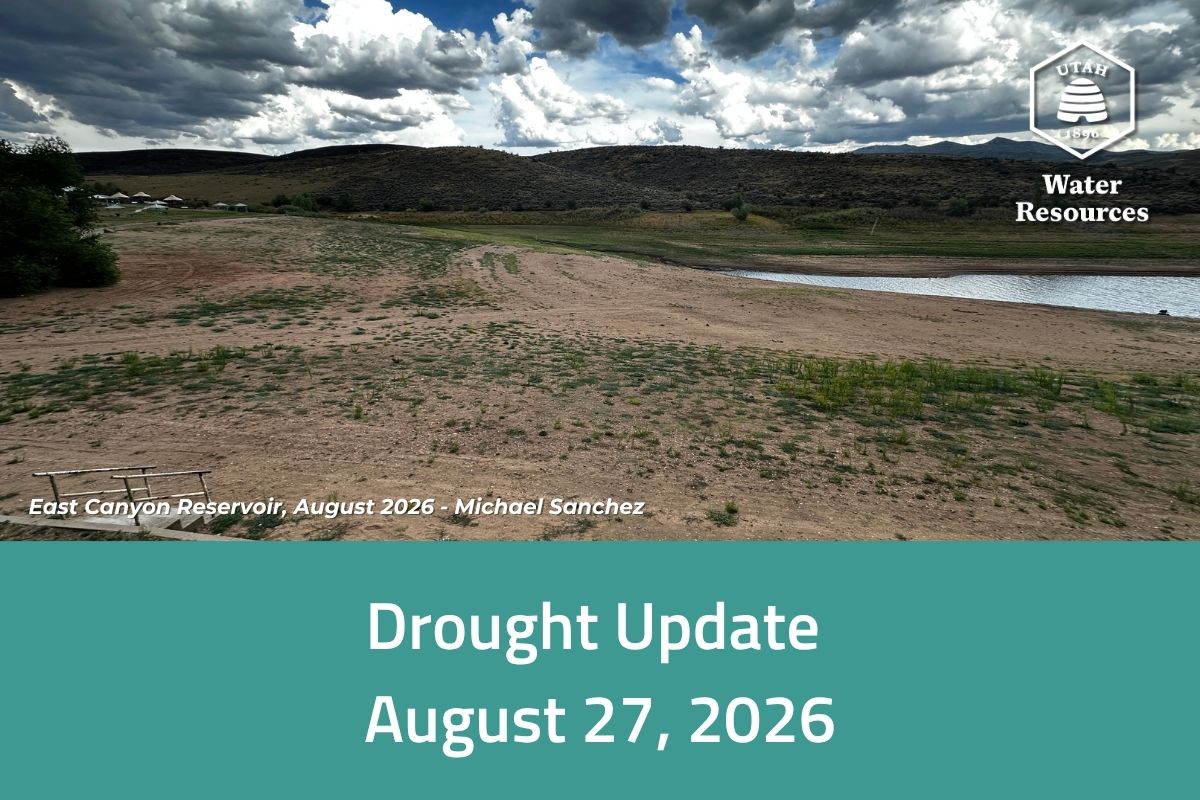
- Reservoir storage averages 68% full, which is 7% lower than the normal for this time of year, and 18% lower than this time last year.
- Water levels at many Utah state parks are experiencing extreme lows. When reservoirs reach these levels, some parks are forced to close their boat launch ramps in order to help better protect visitors and their property. Visit the Division of State Parks boat ramp conditions webpage for more information.
- Because Harmful Algal Blooms (HABs) may be happening earlier than normal, residents are urged to learn how to identify them and find current water advisories at HABs.utah.gov
- As noted in the Natural Resources Conservation Service’s June 1 Water Supply Outlook Report for Utah, Lake Powell remains very low (24% capacity), with the only years when the June 1 value was lower occurring in the mid to late 1960s, when the reservoir was initially being filled.
Tips for keeping deer out of your garden during a drought Year
Due to extreme drought conditions, wildlife may migrate into neighborhoods during the summer months in search of food and water. The most reliable way to keep deer out and minimize damage is to build an 8-foot fence. Homeowners can also install motion-activated sprinklers or plant unpalatable vegetation.
While feeding wildlife is not illegal unless specified by local ordinances, DWR officials strongly discourage it as it can cause public safety concerns, spread disease, and make animals lose their fear of people. Residents should report sick or aggressive deer or elk, or any moose, bears, or cougars that have migrated into populated areas to the Utah Division of Wildlife. More information can be found here.
Early runoff and dry conditions continue to impact Utah water supplies
Several water systems are experiencing earlier runoff, leading to reductions in water deliveries as streamflows decline. Conditions vary by basin, but many systems continue to reflect drought impacts similar to those seen in recent dry years.
Key observations from around the state include:
Division staff and water commissioners continue to monitor conditions, administer water rights, and work with water users throughout the irrigation season. Conditions are expected to grow as remaining snowmelt runoff declines and summer water demands increase.
- Bear River – Streamflows remain higher than those observed during the same period in 2021, but much of the runoff arrived earlier than normal due to warmer spring temperatures.
- Upper Provo River – Streamflows remained above 2021 levels through late May due to accelerated snowmelt caused by warmer temperatures. Water managers expect flows to decline as runoff season ends, and nearby systems have already experienced water right regulation significantly earlier than normal.
- Upper Duchesne River – Conditions are comparable to (and in some cases more challenging than) those experienced during the 2021 drought year as streamflows continue to decline after peak runoff.
- Upper Sevier River – Current deliveries remain above 2021 levels, but reflect an early runoff season with anticipated reductions as summer demand increases.
For detailed river system statistics and conditions, see the full report here.
Agriculture is optimizing efforts to combat drought
Agricultural producers face increased pressure as seasonal water supplies tighten across the state. In response to these conditions, the Utah Department of Agriculture and Food urges farmers to implement water-efficiency strategies, such as optimizing irrigation schedules and monitoring soil moisture levels closely.
Resources are available to assist in adopting precision agriculture technologies that maximize crop yields while minimizing water use during extended drought.
###
For more information, contact Michael Sanchez, public information officer, at 385-226-8967 or email MASanchez@utah.gov.