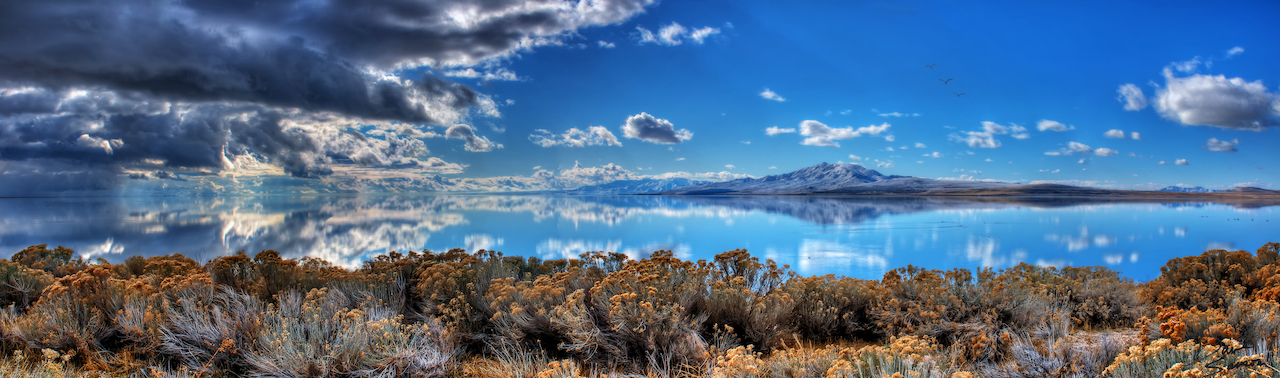
The latest study regarding the Bear River Development (BRD) project has been released by the Utah Division of Water Resources and includes 13 potential reservoir combinations and pipeline alignments, as well as updated costs. At full development, the project will deliver 220,000 acre-feet of water per year to Utahns in Box Elder, Cache, Davis, Salt Lake and Weber counties. (more…)
Bureau of Reclamation to Lead Lake Powell Pipeline NEPA Process
Published 10-29-19
On Oct. 28, the U.S. Department of the Interior notified the Utah Board of Water Resources (board) that it has assigned the Bureau of Reclamation (Reclamation) to lead the National Environmental Policy Act (NEPA) compliance for the Lake Powell Pipeline (LPP) project.
In September 2019, the board announced it eliminated two reservoirs proposed to generate hydropower at times of peak demand. As a result, the licensing requirements of the Federal Energy Regulatory Commission no longer applied to the project and the board withdrew the FERC license application. The board subsequently requested that the Department of the Interior appoint Reclamation as the lead federal agency for purposes of completing the NEPA review.
“The division looks forward to working with Reclamation on updating the timeline and cost estimate for the project and completing the Environmental Impact Statement,” said Eric Millis, director of the Utah Division of Water Resources.
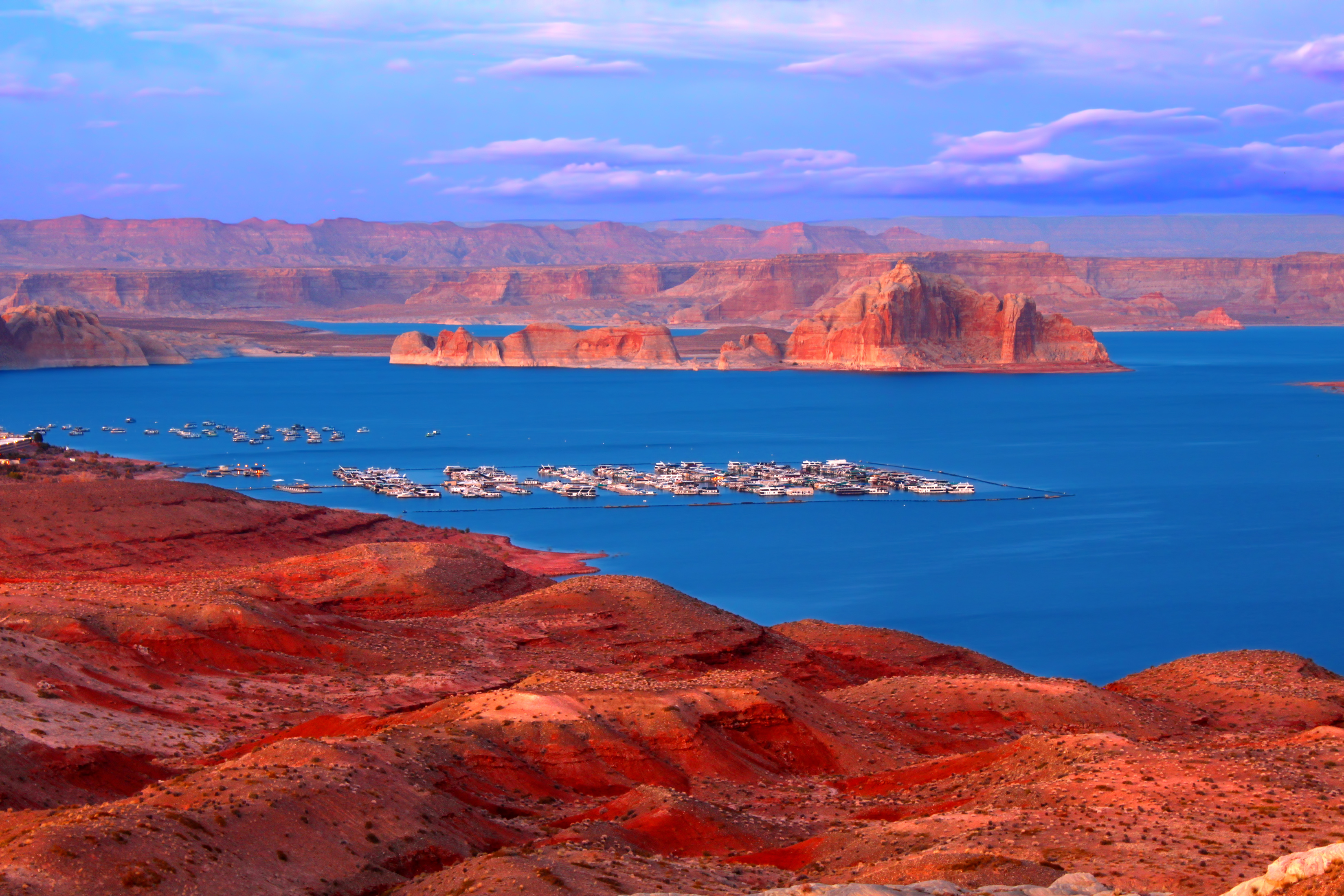
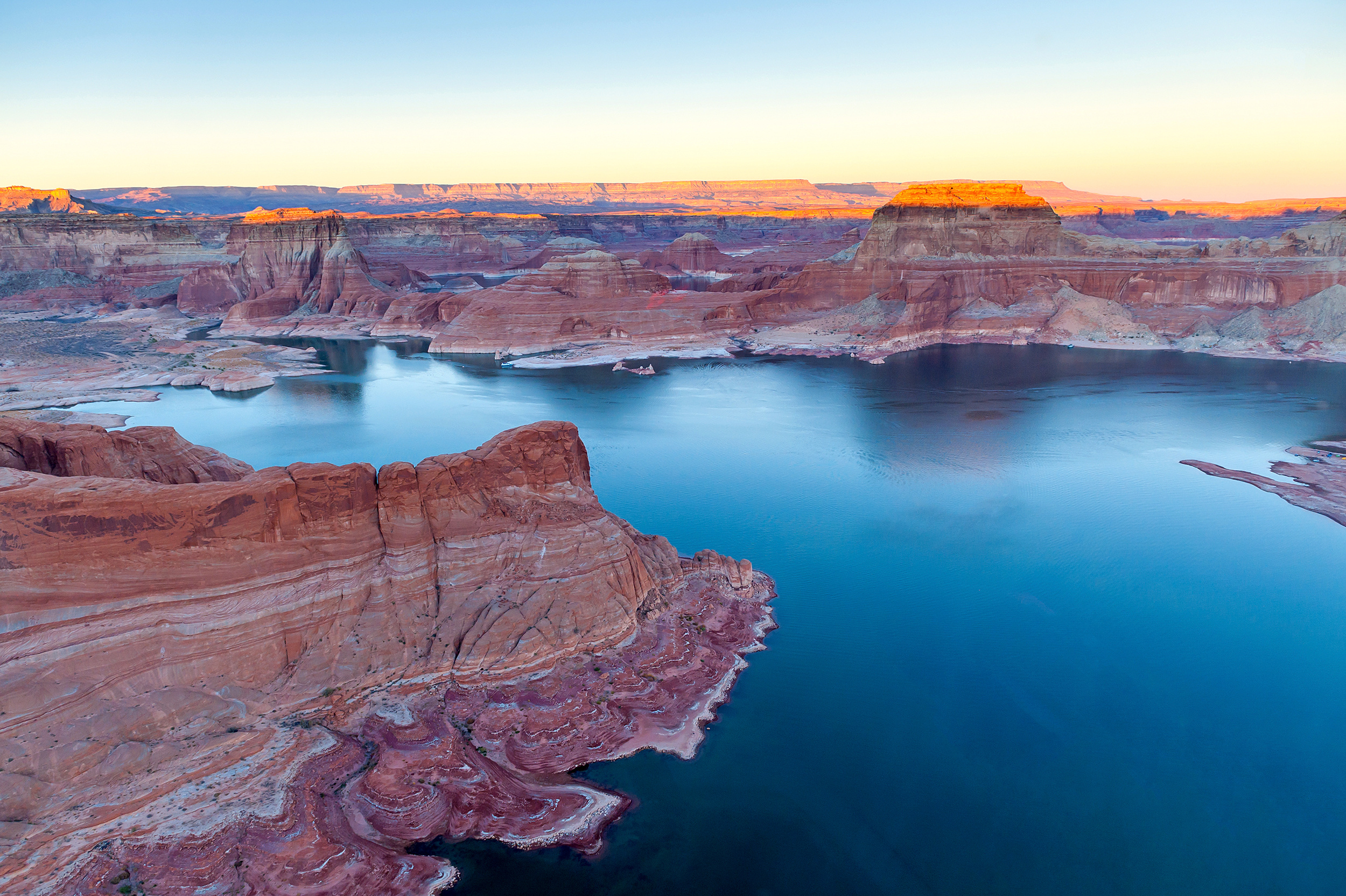
The LPP is an approximately 140-mile pipeline that will diversify and enhance water resources for Utah’s fastest growing and driest region by using a small portion of the state’s available Colorado River water right. Visit LPPUtah.org for more information.
Utah makes changes to the Lake Powell Pipeline that will significantly reduce costs
Published 09-25-19
The Utah Board of Water Resources (UBWR) is simplifying the Lake Powell Pipeline (LPP) project by eliminating two reservoirs proposed to generate hydropower at times of peak demand. The modifications will reduce project costs more than $100 million, align with regulatory changes and reduce environmental impacts. LPP will still be able to produce hydropower using inline facilities. (more…)
Fourth-annual “H2Oath: Water War” kicks off among colleges and universities
Published 09-19-19
The Utah Division of Water Resources is holding its fourth annual “H2Oath: Utah’s Water-Wise Pledge” competition among Utah’s colleges and universities. Also known as the “H2Oath: Water War,” the competition raises awareness for water-wise behavior. The school that gets the most students, faculty, alumni and fans to take the online oath, wins a $5,000 grant to be awarded to the department or program most closely related to water conservation. (more…)
Public comment sought for newly established regional water conservation goals
Published 08-27-19
The State of Utah is seeking public input on newly established regional goals for municipal and industrial (M&I) water conservation. M&I includes residential, commercial, institutional (for example, schools and parks), and industrial water use, and excludes agriculture, mining and power generation. (more…)
Legislative audit finds Water District can repay State for proposed pipeline project
Published 08-21-19
On Aug. 20, the Utah Office of the Legislative Auditor General released an audit that found the Washington County Water Conservancy District (WCWCD) can generate sufficient revenue to repay the state for the proposed Lake Powell Pipeline. (View WCWCD’s press release.) (more…)
Quagga mussels not considered a threat to the Lake Powell Pipeline
Published 06-21-19
The State of Utah and its partners have been dealing with quagga mussels for more than a decade and have plans in place to keep mussels from becoming an issue for the Lake Powell Pipeline (LPP).
Stakeholders from four states gather for Drought Contingency Demand Management workshop
Published 06-20-19
Water levels in Utah’s rivers and reservoirs look plentiful now but the scene last fall told a different story when Gov. Gary R. Herbert issued an Executive Order declaring a state of emergency due to drought. (more…)
Water officials sign drought contingency plans at Hoover Dam ceremony
Published 05-20-19
BOULDER CITY, NEV. – Water officials from all seven Colorado River Basin states joined representatives from the Department of the Interior and Bureau of Reclamation May 20 to sign drought contingency plans for the Upper and Lower Colorado River basins. These plans are designed to reduce risks from ongoing drought and protect the Colorado River. (more…)
The Colorado River is a reliable source of water for Utah, says the Utah Division of Water Resources
Published 02-27-19
Falling storage levels at both lakes Powell and Mead have highlighted the potential effects of climate change on the Colorado River, causing some to question its future viability as a reliable water supply source for the state of Utah.