
SALT LAKE CITY (May 14, 2026) – As temperatures heat up, Utahns are urged to be water-conscious and aware of the various impacts of drought this late spring/early summer. The state anticipates drought conditions to worsen, causing stress on wildlife, recreation, and water supply. Drying vegetation will also create the conditions for increased fire danger. Currently, 100% of the state is in some form of drought, and 59% is in extreme drought.
Reservoirs and streams continue to struggle
- Reservoir storage averages 71% full, which is normal for this time of year but down from 82% recorded last year.
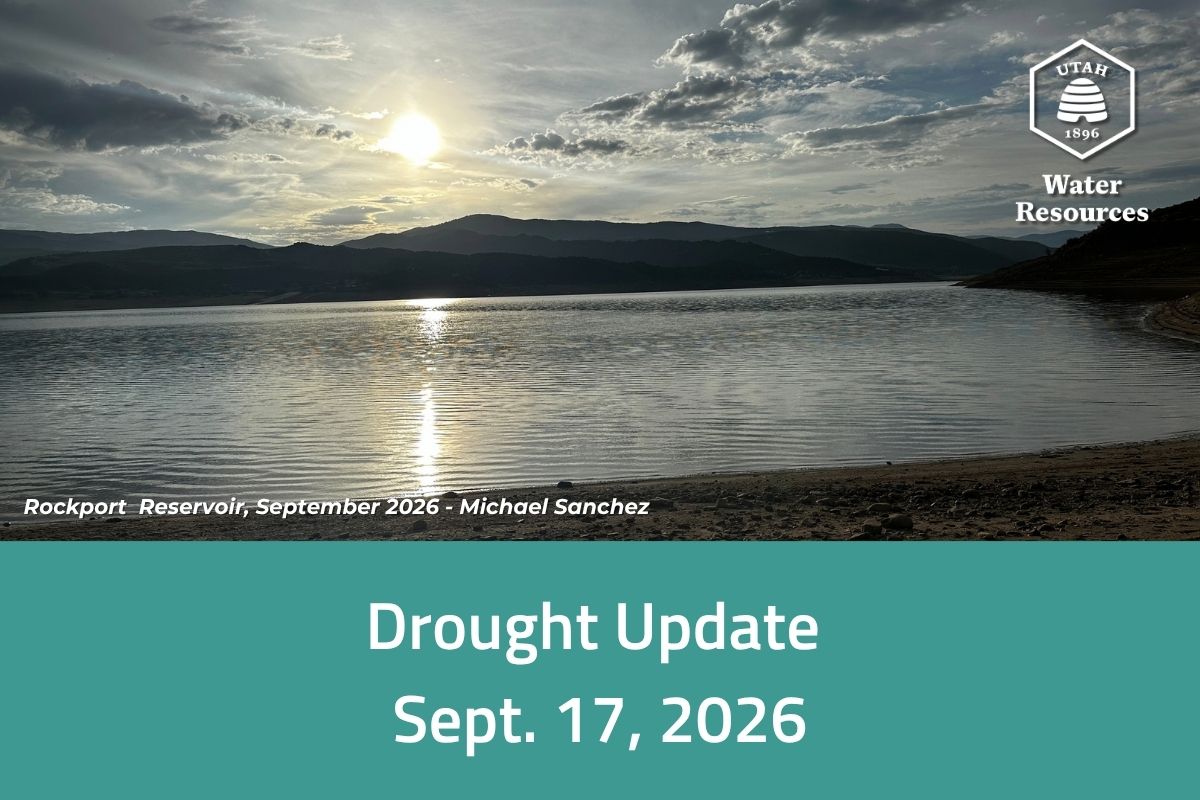
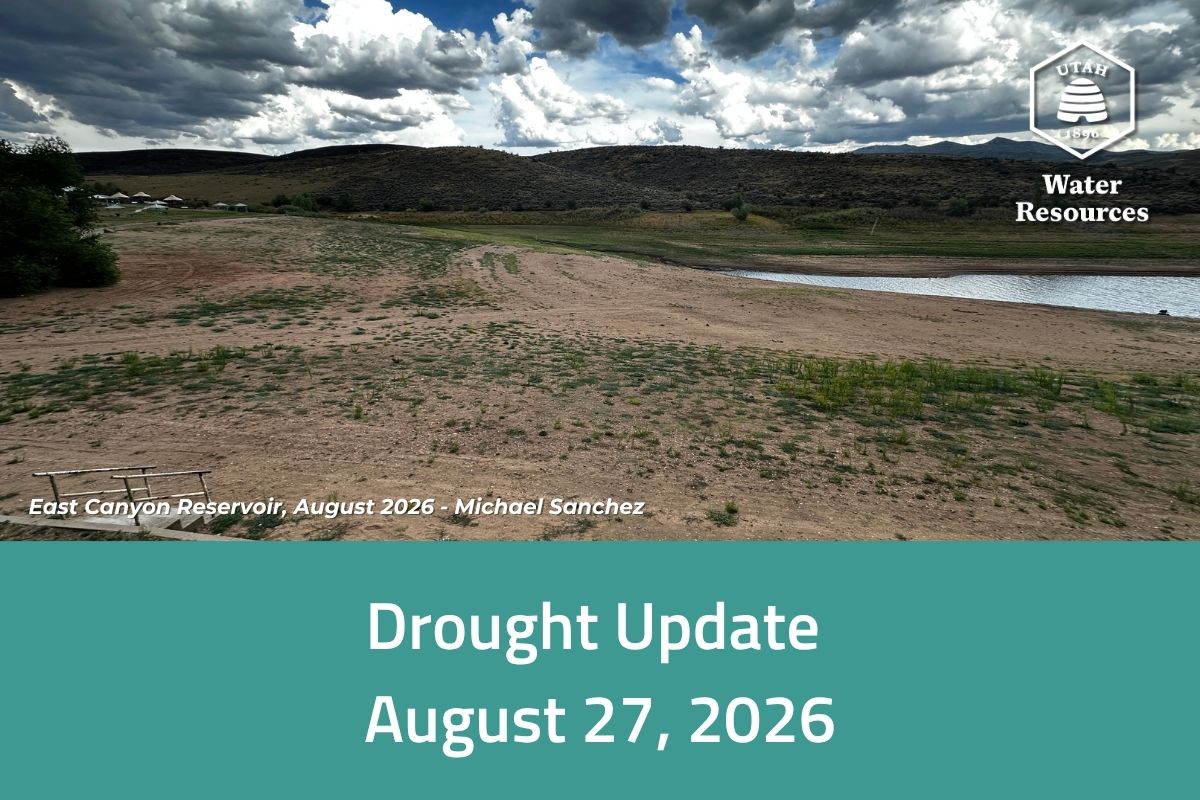
- Water levels at many Utah state parks are experiencing extreme lows. When reservoirs reach these levels, some parks are forced to close their boat launch ramps in order to help better protect visitors and their property. Visit the Division of State Parks’ boat ramp conditions webpage for more information.
- As noted in the Natural Resources Conservation Service’s May 1 Water Supply Outlook Report for Utah, many of Utah’s rivers experienced their peak runoff before April 1, with very muted runoff responses relative to normal.
Colorado River – Lake Powell inflow hits historic low, second worst on record
April-July Lake Powell inflow is projected to be 800,000 acre-feet, the lowest inflow since Lake Powell was being filled. This Water Year is also on track to be the second lowest during the current period of record with 2002 being the lowest.
Division of Wildlife Resources adjusts fish stocking and raises catch limits to address drought impacts
- To help combat low water levels and warm water temperatures during drought, the Division of Wildlife Resources will be adjusting some of the fish stocking around the state. Some of this will include stocking fewer fish in waterbodies anticipated to be heavily impacted by drought and reallocating the fish to other waterbodies.
- Wildlife will also be changing the species of fish stocked in some areas, including raising more cool and warmwater sportfish species that better tolerate warmer water temperatures. More information can be found on the division’s website.
Great Salt Lake peaked early and experienced lower rise than normal
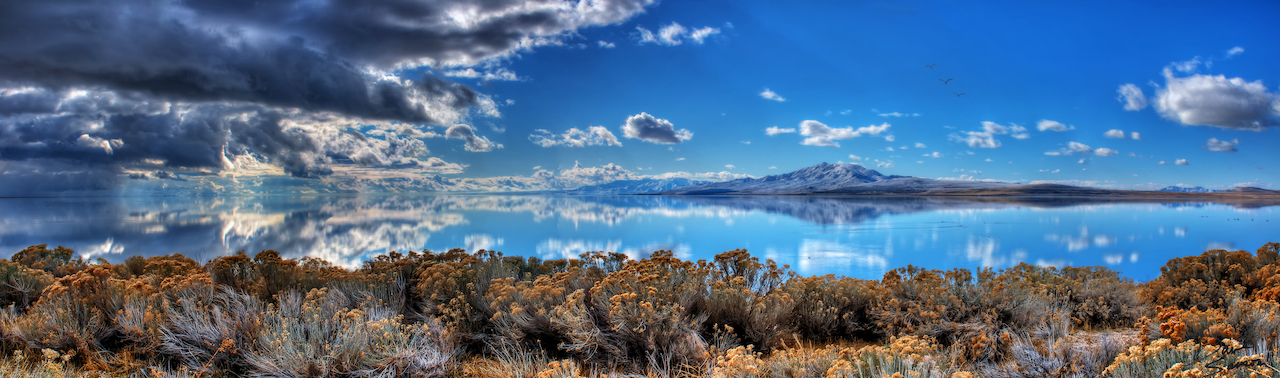
This lack of runoff is directly impacting the Great Salt Lake. Provisional USGS data (Saltair gage) shows the south arm peaked in early April at 4,192.6 feet. While this is a 1.6-foot increase since last fall, it pales in comparison to what we see in wet years (e.g., 2011, 2023) when it typically rises 3 to 5 feet.
Utah water systems mirror 2021 drought year, with early water rights cutoffs statewide
Utah water systems are showing drought conditions comparable to 2021, one of the state’s most serious drought years on record.
- Across multiple river systems, water right cutoffs and delivery reductions are arriving significantly earlier in the season than normal. In some cases, months ahead of schedule.
- Some systems are showing temporarily elevated flows due to recent warm temperatures accelerating snowmelt. However, water managers warn that this runoff is nearly exhausted and conditions are expected to tighten further in the coming weeks.
- Examples from four major Utah river systems (Division of Water Rights)
In Utah, about 95% of our water supply comes from snowpack. Reservoir storage helps us preserve that water for use in dry summer months and drought years. To encourage water conservation among Utahns, the Department of Natural Resources continues to promote initiatives such as the Agricultural Water Optimization Program for farmers and SlowTheFlow.org for residents. These programs aim to educate and incentivize water-saving practices, ensuring Utahns become more drought-resilient and prepare for future conditions. Many indoor water-saving tips are available on the Slow the Flow website.
Check out the Department of Natural Resources’ latest article: Drought in Utah
# # #
For more information, contact Michael Sanchez, public information officer, at 385-226-8967 or email MASanchez@utah.gov.